
25 September 2026 · 2 min read
What level of German do you need to work in Germany?
Most jobs in Germany need B1 German. Nursing, healthcare and customer-facing jobs usually need B2. The Opportunity Card asks for A1 German or B2 English to apply.
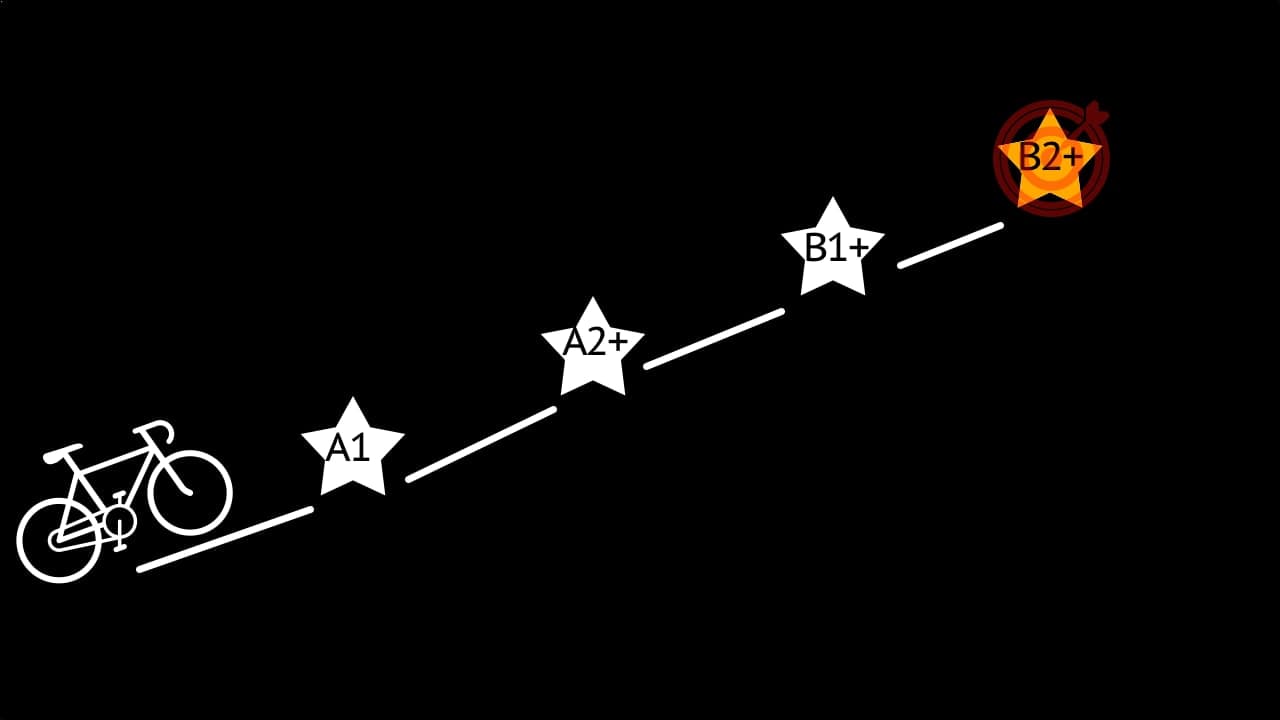
To work in Germany, most jobs need German at B1, the level where you can handle everyday life and simple work conversations on your own. Jobs where you care for people or talk to customers all day, like nursing, healthcare, hotel reception and customer support, usually need B2. Some jobs in IT or in international companies run in English, but even there German makes life outside work much easier. Getting to A2 before you leave is the minimum worth aiming for, and you can do that on your own from your phone, with an audio course like 30daysGerman's.
German level by job
- Warehouse, factory, cleaning, seasonal farm work: A1–A2 is often enough to start, as long as you understand safety instructions.
- Hotels and restaurants: A2 in the kitchen, B1 or more with guests.
- Care assistants in nursing homes: usually B1.
- Registered nurses: B2 for your professional licence to be recognised.
- Doctors: B2 general German plus a C1 medical language exam.
- Truck and bus drivers: A2–B1. Dispatchers and customers will call you in German.
- Apprenticeships (Ausbildung): usually B1, because the school part is taught in German.
- IT and engineering in international teams: sometimes English only, but B1 German helps you get hired, and get by.
What the visa asks for
- Opportunity Card (Chancenkarte): at least A1 German or B2 English. Better German gives you more points.
- Joining a spouse in Germany: in most cases the spouse needs basic German, A1, before the visa.
- Skilled worker visa: depends on the job and its recognition. Regulated professions such as nursing need B2.
Rules change and have exceptions, so check with the German embassy or the official "Make it in Germany" website before you plan anything.
Which certificates count
Goethe-Institut, telc and ÖSD certificates are accepted everywhere. TestDaF and DSH are for universities. Employers usually ask for the level, not a particular exam.
Getting there before you move
Learning in Germany is expensive and slow when you're also working full time. Start at home. With 30daysGerman you can take the audio course, 63 speaking lessons for the commute, the interactive course, 16 chapters with over 2,000 words and phrases, or both. It's a single payment each, and it all runs on your phone.